In May 2026, after more than a decade of research and input from 22,000 patients and clinicians worldwide, Polycystic Ovary Syndrome (PCOS) was officially renamed Polyendocrine Metabolic Ovarian Syndrome (PMOS)… and the change tells you everything about why so many women have felt misunderstood for so long.
"Polycystic ovary syndrome" was named in 1935, when researchers believed the condition originated in the ovaries. They saw structures on ultrasound that looked like cysts and built an entire diagnosis around them. The problem is those structures aren't actually abnormal cysts. They're normal physiological structures of the ovary. And more importantly, PCOS was never really just about the ovaries to begin with.
According to the Endocrine Society, the old name reduced a complex, long-term hormonal disorder to a misconception about "cysts" and a focus on ovaries. For millions of women, that narrow framing led to missed diagnoses, fragmented care, and years of symptoms that were either dismissed or treated in isolation rather than as part of a larger picture.
The new name, Polyendocrine Metabolic Ovarian Syndrome (PMOS) tells a different story. Polyendocrine acknowledges that multiple hormone systems are involved. Metabolic recognizes that this condition profoundly affects how your body processes insulin, manages weight, and regulates inflammation. The rename didn't change the condition itself. What's changed is how medicine is being asked to look at it.
The Weight Connection Nobody Warned You About
Here's something that often gets lost in the conversation: PMOS and excess weight don't just coexist; they actively make each other worse. How?
It's a loop, and trying to break it with willpower alone is like trying to stop a spinning wheel with your hand.
"When I see patients with PCOS who've been dieting for years without results, I want them to understand this isn't a failure. This is a metabolic condition that has physical, hormonal roots. It deserves a medical approach, not just a motivational one." - Dr. Joe Cribbins
Most people think of bariatric surgery as a weight loss tool. For women with PMOS, it's more than that — it's a direct intervention in the hormonal and metabolic systems driving the condition.
Research has found that bariatric surgery significantly improves insulin resistance, testosterone levels, menstrual regularity, and fertility outcomes in women with PCOS. A meta-analysis of 21 studies found that the condition's core symptoms (menstrual irregularity, infertility, depression, and type 2 diabetes) all decreased significantly after surgery.
What surprises many patients: some of these hormonal improvements happen within weeks of surgery, even before significant weight loss has occurred. Which tells you this isn't just about the number on the scale — the surgery itself is changing how the body regulates hormones.
The procedures most commonly associated with these outcomes are sleeve gastrectomy (VSG) and Roux-en-Y gastric bypass, both of which are performed at Texas Center using the da Vinci Xi robotic surgical system — a technology that allows for ultra-minimally invasive procedures, less pain, smaller incisions, and faster recovery. The procedures most commonly associated with these outcomes are sleeve gastrectomy (VSG) and Roux-en-Y gastric bypass, both of which are performed at Texas Center using the da Vinci Xi robotic surgical system, allowing for ultra-minimally invasive procedures, less pain, smaller incisions, and faster recovery.
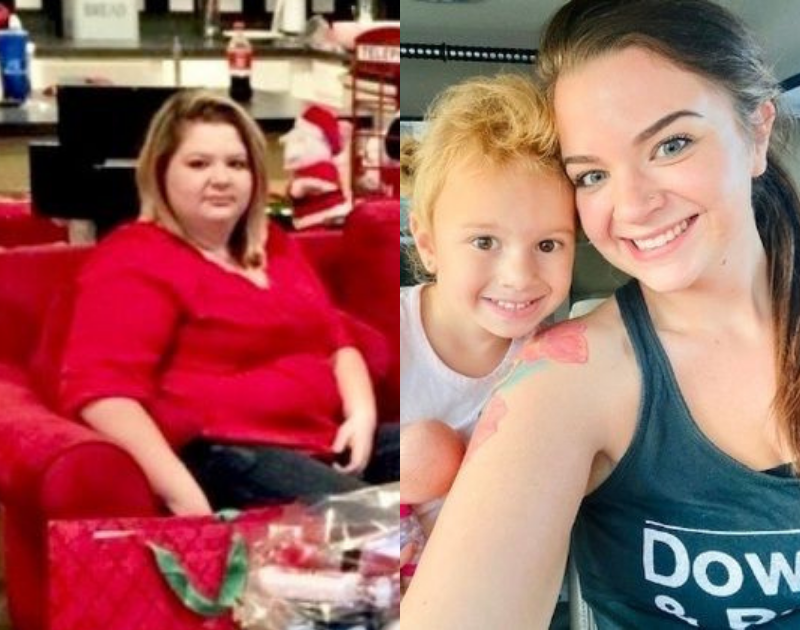 Alanna had struggled with weight for years when she developed PCOS and began experiencing fertility issues she feared might prevent her from ever having a child. She came to Dr. Cribbins and had LAP-BAND surgery, losing 120 pounds. Not long after, she achieved what she'd been told might not be possible: she became pregnant. Today, Alanna is the mother of a little girl. Read her story here.
At Texas Center, we see versions of it regularly: women who spent years managing PCOS symptoms through medication and willpower, who found that addressing the metabolic foundation of the condition changed everything else.
Bariatric surgery isn't right for everyone, and it's not the only option. Texas Center offers both surgical and non-surgical medical weight management. The goal is always to find the right approach for the right patient.
That said, if you have PCOS or PMOS and have been struggling with:
...then a conversation about metabolic treatment options is worth having. The research supports it, and the 2024 international PCOS guidelines now formally recognize bariatric surgery as an effective intervention for women with PCOS (now PMOS) and obesity.
The rename from PCOS to PMOS is more than a branding update. It's the medical establishment catching up to what patients with this condition have been living for decades — that this isn't just an ovarian issue, it's a full-body metabolic disorder.
If you've felt like you've been fighting your own body for years, you have been. But the tools exist to fight back differently. Dr. Cribbins and the team at Texas Center for Bariatric & Advanced Surgery have performed over 16,500 surgeries and have spent more than two decades helping patients in the DFW area find solutions that work.
Virtual and in-office consultations are available. Call (469) 409-4643 or request a consultation online.
Our highly skilled and experienced board-certified surgeons specialize in ultra-minimally invasive general and bariatric surgery. They are affiliated with a number of national associations, including the:
To request a consultation, contact us online or call (214) 501-1333 today.
Locations
We have 4 locations