
For many people, the answer is yes. Weight loss surgery is one of the most effective tools we have today for improving—and sometimes even putting type 2 diabetes into remission. Here’s what that really means, and what we see in our patients:
Type 2 diabetes is largely driven by insulin resistance, which is strongly linked to excess weight, especially around the abdomen.
Traditional treatments—diet changes, exercise, and medications—are important. But for many patients with obesity, these approaches don’t fully address the underlying metabolic problem.
Bariatric surgery works differently.
Procedures like gastric sleeve and gastric bypass:
Improve insulin sensitivity
Change gut hormones that regulate blood sugar
Reduce inflammation
Decrease appetite and cravings
Lower blood sugar levels within days to weeks
Many patients see improvements before significant weight loss even occurs.
If you’d like a deeper look at the clinical evidence behind these outcomes, you can read more here: Why Bariatric Surgery Outperforms Diabetes Medications
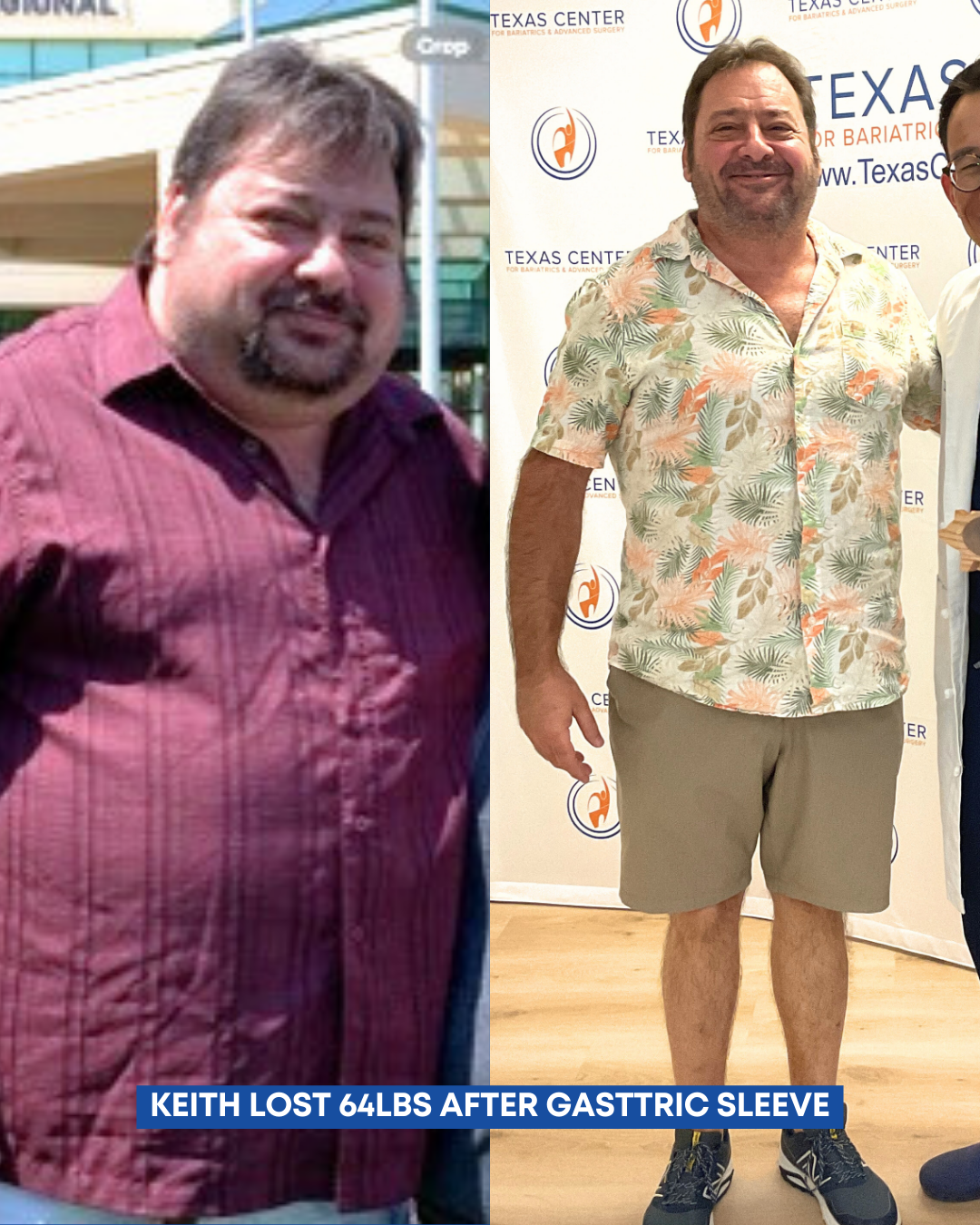
Remission means your blood sugar levels return to a normal range without diabetes medications. Not every patient achieves full remission. But most experience:
Lower A1C levels
Fewer medications
Reduced or eliminated insulin
Better long-term blood sugar control
Even partial improvement can significantly lower the risk of complications like heart disease, kidney damage, nerve problems, and vision loss.
Every patient’s journey is different, but here are examples of the kinds of results we commonly see to help you get a feel for possible outcomes for your diabetes, with weight loss surgery . These are representative scenarios with identifiable information removed.
Example 1: Insulin Independence
Age: 52
Starting BMI: 41
Diabetes duration: 8 years
Medications: Long-acting insulin + two oral medications
Procedure: Gastric bypass
Outcome: Off insulin within 6 weeks; A1C improved from 9.2 to 6.1 at 4 months
Example 2: Medication Reduction
Age: 46
Starting BMI: 38
Diabetes duration: 5 years
Medications: Two oral medications
Procedure: Sleeve gastrectomy
Outcome: Reduced to one low-dose medication; A1C improved from 8.4 to 6.5 within 3 months
Example 3: Early Remission
Age: 39
Starting BMI: 36
Diabetes duration: 2 years
Medications: One oral medication
Procedure: Sleeve gastrectomy
Outcome: Normal blood sugar without medication at 4 weeks
Example 4: Long-Standing Diabetes Improvement
Age: 60
Starting BMI: 44
Diabetes duration: 15 years
Medications: Multiple medications and insulin
Procedure: Gastric bypass
Outcome: Significant insulin reduction and improved blood sugar control; A1C improved from 10.1 to 7.2 at 9 months.
Even when diabetes isn’t fully reversed, improvements like these reduce long-term health risks and often make daily life much easier.
Here is the revised section with SADI added, written in a natural physician voice that fits the rest of the article and doesn’t read overly promotional or AI-generated.
Several weight loss surgery options are effective for improving type 2 diabetes. The right choice depends on your medical history, the severity of your diabetes, and your long-term health goals.
Gastric Sleeve
Reduces stomach size
Creates hormonal changes that improve blood sugar control
Often recommended for patients with mild to moderate diabetes
Gastric Bypass
Produces strong metabolic effects
Frequently recommended for patients with more severe or long-standing diabetes
Often leads to faster improvement in blood sugar
SADI (Single Anastomosis Duodeno-Ileal Bypass)
Combines a sleeve procedure with a powerful metabolic component
Significantly improves insulin resistance and blood sugar control
Often recommended for patients with higher BMI, severe diabetes, or those who need the strongest metabolic effect
Can lead to substantial weight loss and high rates of diabetes improvement or remission
During your consultation, we look carefully at your diabetes history, current medications, A1C levels, weight, and overall health to recommend the procedure that gives you the best chance for long-term success.
You may be a candidate if you:
Have type 2 diabetes
Have a BMI of 35 or higher
Or a BMI of 30+ with uncontrolled diabetes or other health conditions
Require multiple medications or insulin
Struggle to maintain weight loss long-term
For many patients, this isn’t just about weight—it’s about treating a serious metabolic disease.
Type 2 diabetes is a progressive condition. Over time, the pancreas can lose its ability to produce insulin.
That’s why earlier intervention often leads to better outcomes. Patients who pursue bariatric surgery sooner after diagnosis are more likely to achieve remission.
One of the most meaningful follow-up conversations I have with patients isn’t about weight—it’s when they tell me:
“I’m off insulin.”
“My A1C is normal.”
“I have my energy back.”
“I don’t feel like my life revolves around diabetes anymore.”
That’s what this surgery is really about—improving your health and your future.
If you’re living with diabetes and struggling with your weight, bariatric surgery may be more than a weight loss option—it may be a treatment for your diabetes.
At Texas Center for Bariatric & Advanced Surgery, our goal is to help you reduce your risks, improve your health, and build a future that isn’t defined by chronic disease.
Schedule a consultation today to learn whether weight loss surgery could be right for you.
Do you have more questions?
Visit our full list of FAQs here or book a consultation! Even if you opt not to go the surgery route, this will give you all the information you need to make an informed decision on how to manage your health long-term.
Our highly skilled and experienced board-certified surgeons specialize in ultra-minimally invasive general and bariatric surgery. They are affiliated with a number of national associations, including the:
To request a consultation, contact us online or call (214) 501-1333 today.
Locations
We have 4 locations