If you live in the Dallas–Fort Worth area and you’ve been thinking about weight loss surgery (aka “Bariatric Surgery”), you’re not alone. Many of our patients come in unsure whether they even qualify. They’ve tried diets, medication, and working with a personal trainer—yet they still feel stuck.
If that sounds familiar, you may be a good candidate for bariatric surgery at Texas Center for Bariatrics & Advanced Surgery.
How Bariatric Candidacy Works in Texas
Most bariatric programs in DFW follow national guidelines, but surgeons also consider real-life factors—your health history, your goals, and what you’ve already tried. A BMI of 27 and higher can qualify for surgery.
Unsure of your BMI? Use the calculator here.
BMI of 40 or Higher
This is the simplest path to qualification, even if you don’t have other medical conditions. Patients in this population qualify for bariatric surgery based on BMI alone, and it is covered by insurance.
BMI of 35–39.9 with at least one Health condition (“comorbidities”)*
In North Texas, the most common qualifying conditions include:
Type 2 diabetes
High blood pressure
Sleep apnea
Fatty liver disease
PCOS
Severe acid reflux
Joint pain that limits mobility
In many cases, you might not even be aware that you have a comorbidity such as sleep apnea – just some complaints from your spouse about snoring!
You can read more about how surgery helps these problems on the main weight loss surgery overview page.
*Note: This comorbidity requirement is for insurance coverage. If you’re doing a self-pay surgery (not through insurance) then these health conditions are not required.
BMI 27–34.9**
Many DFW surgeons also consider patients in this BMI range for gastric sleeve surgery (if they have hard-to-control metabolic disease).
If you are in this range and do not qualify for surgery covered by insurance, Texas Center for Bariatric & Advanced Surgery can also assist with consideration of weight loss medication or other medical interventions to support your weight loss journey.
**Note: This BMI range is not covered by commercial insurance but is an option for consideration for self-paying patients.
Signs You’re Likely a Strong Candidate
After caring for patients across Dallas, Plano, Frisco, North Richland Hills, Arlington, Denton, and Fort Worth, a few patterns stand out for Dr. Cribbins and Dr. Chen, indicating that it’s at least worth a conversation:
You’ve tried structured weight loss before
You’re ready to make long-term changes
You’re willing to attend follow-up visits
You’re looking for a long-term solution, not a quick fix
What to Expect at Your DFW Bariatric Evaluation
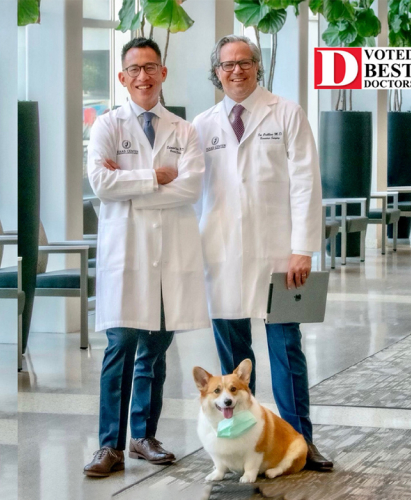
The initial consultation with Texas Center for Bariatrics & Advanced Surgery is 20-60 minutes with the surgeon. Consultations can happen in person or virtually, depending on your needs and schedule. If you come on Tuesdays or Fridays, Marty the office Corgi is likely to be there for some puppy cuddles while you visit.
This is an opportunity to find out if you qualify, ask questions, and find resources for starting your weight loss journey.
During your first appointment, the care team will typically:
Calculate your BMI
Review medical history
Order lab work
Screen for sleep apnea and other conditions
Discuss weight loss goals and options with risks and benefits
Review insurance
To get started, request a consultation through the contact page or call directly to book at (214) 915-2297.
Patient FAQ
Is there a minimum weight for bariatric surgery?
No—BMI and health history matter more than scale numbers. A BMI as low as 27 can qualify you for surgery.
Does insurance in Texas cover weight loss surgery?
Many plans do. Visit the “Paying for Bariatric Surgery” page to learn more. Several insurance plans cover the cost entirely.
Do I need to lose weight before surgery?
Many surgeons require a short pre-op diet. At Texas Center for Bariatrics & Advanced Surgery, surgeons typically require a 2-week, clean eating protocol with high protein, low-carb foods and sugar-free drinks. See the gastric sleeve diet article for more details.
What if I don’t know which surgery I need?
The team will help you compare gastric sleeve, gastric bypass, SADI-s, and many others to select the path that makes the most sense for your health concerns and goals.
Do you have more questions?
Visit our full list of FAQs here or book a consultation! Even if you opt not to go the surgery route, this will give you all the information you need to make an informed decision on how to manage your health long-term.
Our highly skilled and experienced board-certified surgeons specialize in ultra-minimally invasive general and bariatric surgery. They are affiliated with a number of national associations, including the:
To request a consultation, contact us online or call (214) 501-1333 today.
Locations
We have 4 locations